From Planning to Upkeep: Full-Service Landscaping Offerings and Their Perks
Landscaping services serve a vital function in enhancing outdoor spaces. They include all aspects from preliminary planning to regular maintenance. Effective landscaping can greatly increase a property's aesthetic appeal and value. Furthermore, it cultivates a harmonious relationship between the natural world and built structures. That said, the procedure demands meticulous organization and assessment of numerous components. Recognizing how every element plays a role in a thriving landscape can uncover unexpected advantages that are not always obvious.
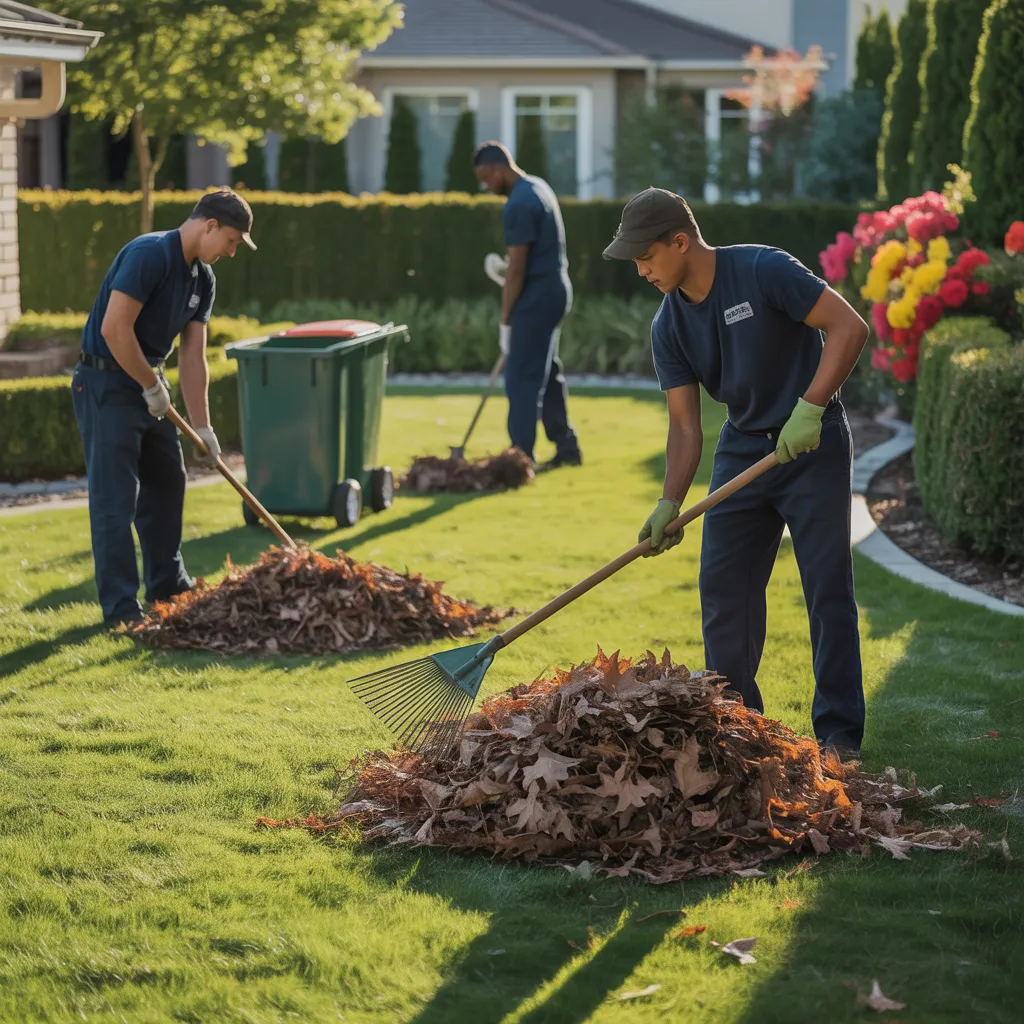
The Value of Landscaping
Landscaping is a key factor in enhancing both the aesthetic appeal and functional value of a property. A thoughtfully planned landscape not only enhances the architecture but also establishes a welcoming environment that can enhance the overall impression for occupants and visitors alike. Strategically placed plants, trees, and paths can maximize outdoor utility, providing spaces for recreation and relaxation.
Furthermore, effective landscaping contributes to environmental sustainability. Indigenous plant species help minimize water usage and encourage biodiversity, while deliberately placed trees can supply shade and contribute to reduced energy consumption. For commercial spaces, visually appealing landscaping may improve brand image, pulling in more patrons and amplifying property value.
In addition, a well-maintained landscape can minimize pest activity and prevent erosion, cultivating a cleaner environment. At its core, the significance of landscaping goes far beyond simple aesthetics; it functions as a crucial element in creating purposeful, enduring, and aesthetically pleasing outdoor spaces that meaningfully influence both homeowners and the wider community alike.
How the Design Process Converts Vision Into Reality?
A successful design workflow turns imaginative concepts into tangible landscapes that elevate the aesthetic of spaces. This journey begins with understanding the client's needs, preferences, and the unique characteristics of the land. Designers perform detailed site evaluations, accounting for elements such as natural light, soil type, and water drainage, which are essential for establishing a practical and visually appealing outdoor space.
Following this step, creative specialists utilize digital tools and sketches to visualize concepts, providing clients with a glimpse of possible layouts and functionalities. This interactive stage promotes open feedback, guaranteeing that the design reflects the client's goals.
After the design has been finalized, thorough plans are drawn up, outlining materials and construction methods. This meticulous preparation sets the stage for a seamless installation process.
At its core, the creative process not only translates visions into reality but also fosters a sense of ownership in homeowners, enhancing their connection to the recently designed outdoor landscape.
Selecting the Best Plants for Your Landscape
What is the best way to choose the right plants for a landscape? read here The process of selection starts with gaining knowledge of the local climate and soil conditions. Different plants thrive in varying environments, so knowledge of hardiness zones and soil pH is vital. In addition, evaluating sunlight exposure—including full sun, partial shade, or full shade—is instrumental in determining the most suitable species.
Another key consideration is the landscape's intended use. For instance, ornamental vegetation may boost the aesthetic value, while indigenous plants can support biodiversity and demand minimal upkeep. It is also vital to examine the development habits and proportions of plants to ensure they integrate seamlessly into the area.
Lastly, reflecting on seasonal dynamics—via flowers, foliage, or bark—can create a vibrant landscape during every season. When these aspects are brought together, homeowners can achieve a landscape that is both visually stunning and environmentally responsible.
Ways Hardscaping Improves Your Landscape Design?
Including hardscaping components such as retaining walls, patios, and walkways dramatically transforms the design of a landscape. Such elements offer functionality and structure, interrupting the natural elements of a yard while elevating aesthetic appeal. Patios create welcoming outdoor areas for leisure and socializing, naturally connecting indoor and outdoor living. Walkways direct people through the garden, providing visual flow and accessibility, while also minimizing soil erosion. Retaining walls provide both visual interest and support, making possible garden terraces that maximize planting space in areas with slopes.
In addition, materials used in hardscaping such as brick, stone, and concrete add texture and durability, complementing the organic features of plants. This pairing creates a well-balanced setting, producing a seamless blend of hard and soft features. At the end of the day, hardscaping not only elevates the visual impact of a landscape but also boosts its practicality, making outdoor spaces more enjoyable and functional for all.
How to Keep Your Landscape Thriving All Year?
Preserving a vibrant landscape year-round requires consistent attention and care. Shifts in seasons can heavily influence plant health, making it essential to adjust care routines to match the season. Consistent irrigation, especially during dry spells, ensures plants stay properly hydrated. Mulching helps retain moisture and suppress weeds, while timely pruning promotes vigorous growth and blooming.
Fertilization must be tailored based on specific plant needs and seasonal cycles. Throughout the spring season, applying a balanced fertilizer supports plant growth, while applying fertilizer in fall can ready plants for the coming winter. Furthermore, keeping a close watch for pests and diseases is critical; identifying issues early can help avoid extensive damage.
Weeding must be carried out on a consistent basis, as it decreases nutrient and water competition among plants. Additionally, adding native plants can boost overall resilience, as such species thrive naturally in regional conditions. By following these guidelines, property owners can maintain a vibrant landscape that stays attractive and robust across all seasons.
How Landscaping Services Enhance Property Value?
Although numerous elements influence a home's total worth, expert landscaping solutions serve a critical function in enhancing curb appeal and marketability. A well-designed landscape not only creates an inviting atmosphere but also signifies attentive care, suggesting to interested buyers that the home has been properly maintained. Elements including trimmed lawns, carefully situated trees, and lively floral arrangements can greatly elevate first impressions.
Additionally, landscaping has the ability to expand available exterior space, making properties highly suitable for gatherings and recreational activities. Strategic landscaping can further improve a property's energy efficiency by providing shade and reducing temperature control expenses. Industry studies have indicated that homes featuring professional landscaping can achieve a return on investment of approximately 15% more than those without. In summary, investing in professional landscaping is a strategic move that can produce significant long-term financial rewards for homeowners looking to maximize their property value.
How Landscaping Services Support Sustainability?
Landscaping services play an essential role in advancing environmental sustainability through the strategic use of native plants and cutting-edge water conservation methods. By utilizing native plant varieties, these services enhance biodiversity while decreasing dependence on synthetic fertilizers and pesticides. Moreover, efficient water conservation methods help to minimize waste, ensuring that outdoor spaces flourish with a reduced ecological footprint.
Native Plant Application
Incorporating native plants in landscape design serves as a cornerstone for promoting sustainability within surrounding natural environments. By embracing locally occurring plant species, landscaping professionals enhance biodiversity, enabling indigenous plants to flourish in harmony with native fauna. This practice reduces the need for synthetic fertilizers and chemical treatments, as locally sourced plants are inherently suited to area-specific growing conditions. In addition, they often require less maintenance, easing the demands on both materials and manpower. Landscaping services that prioritize native plants support soil integrity and guard against land degradation, fostering a resilient environment. In addition, these plants can help mitigate urban heat and improve air quality, establishing more livable neighborhoods. Ultimately, the use of indigenous plants enriches the landscape while reinforcing ecological harmony and long-term sustainability.
Water Preservation Strategies
Water conservation techniques play a vital role in sustainable landscaping practices. Landscaping services support sustainability by utilizing techniques such as drip irrigation and rainwater harvesting. Drip irrigation systems channel water directly to plant roots, limiting evaporation and runoff. Moreover, skilled landscapers commonly design rain gardens that collect excess rainwater, minimizing the reliance on supplemental irrigation. Mulching is yet another approach utilized to maintain soil moisture and inhibit weeds, further boosting water efficiency. By choosing drought-hardy plants, landscaping services can establish vibrant, low-water landscapes that prosper in diverse climates. These techniques not only save water but also result in decreased utility costs and healthier ecosystems, making certain that landscapes remain sustainable and resilient despite evolving environmental conditions.

Common Questions and Answers
What Qualifications Should I Look for in a Landscaping Service Provider?
When choosing a landscaping service provider, one should prioritize essential factors such as portfolio quality, certifications, customer reviews, experience, and familiarity with local flora. These factors guarantee expertise, professionalism, and dedication to superior landscaping services.
How Much Time Does a Standard Landscaping Project Require to Finish?
A typical landscaping project can take anywhere from a few days to several weeks, based on the complexity, size, and unique requirements of the project. Elements like weather conditions and material availability can also affect the overall timeline.
What Are the Average Costs of Full-Service Landscaping?
The standard cost of full-scale landscaping services generally ranges from $3,000 to $15,000, depending on project complexity, materials used, and location. Homeowners are advised to consider their specific needs and budget when planning these types of services.
Can Landscaping Services Help With Local Climate Considerations?
Landscaping services can successfully manage local climate considerations by picking the right plant species, integrating optimized irrigation methods, and planning areas that support natural temperature control. This tailored approach promotes eco-friendly landscapes that prosper in distinct environmental settings.
Are There Warranties or Guarantees Offered on Landscaping Work?
Several landscape contractors supply assurances and warranties on their work, guaranteeing customer satisfaction. Such guarantees frequently address workmanship, plant survival, and materials, varying by the contractor and scope of work, consequently giving clients peace of mind.